In the world of international logistics and ocean freight services, delays are common—but they can also be costly. One of the most significant charges importers face is demurrage. Understanding how demurrage works is essential for businesses involved in container shipping, freight forwarding, and import/export operations in Malaysia.
What is Demurrage in Logistics?
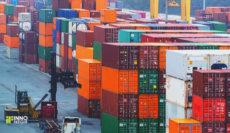
Demurrage is a fee charged by the shipping line when a container remains at the port or terminal beyond the allocated free storage period. This typically happens when the importer (consignee) does not collect and move the container out for unloading within the allowed time.
In simple terms, demurrage is a penalty for delayed container pickup at the port.
Free Time and Demurrage Charges
For standard 20ft and 40ft dry containers, most shipping lines offer approximately 5 days of free time after cargo discharge. Demurrage charges usually begin from Day 6 onwards, increasing daily depending on the shipping line’s tariff.
For reefer (refrigerated) containers, the free period is shorter—typically 3 days—and the charges are significantly higher due to the cost of maintaining temperature-controlled conditions.
The longer the container stays in the port, the higher the demurrage cost, making timely clearance critical in freight management and supply chain efficiency.
Common Causes of Demurrage
Demurrage charges often arise due to operational or documentation issues in the shipping process. Some of the most common causes include:
- Late arrival of shipping documents required for customs clearance
- Incorrect or incomplete documentation, delaying approval
- Cargo discrepancies, where goods do not match the purchase order
- Financial constraints, preventing the consignee from clearing the shipment on time
These issues are frequent in cross-border logistics and international trade, especially when coordination between multiple parties is involved.
How to Avoid Demurrage Charges
To minimize unnecessary costs and improve your logistics operations in Malaysia, consider the following best practices:
- Ensure all shipping documents are prepared accurately and sent early
- Work with a reliable freight forwarder or logistics partner
- Monitor shipment arrival dates and plan early customs clearance
- Maintain proper financial readiness for duties, taxes, and handling fees
- Use real-time shipment tracking systems for better visibility
Why Understanding Demurrage is Important
In ocean freight and container shipping, multiple charges can apply at different stages, making it confusing for importers and businesses. Demurrage is one of the most avoidable yet commonly incurred costs.
By understanding demurrage and taking proactive steps, companies can reduce logistics costs, improve supply chain efficiency, and avoid unnecessary delays.